Demand is modelled, not assumed. Catchment population is the weakest predictor of volume in healthcare. What determines throughput is who refers, on what pathway, paid by whom, and how much of that flow a new entrant can realistically capture in year one against incumbents with entrenched relationships. A facility sized on population and benchmarked occupancy is a facility sized on hope.
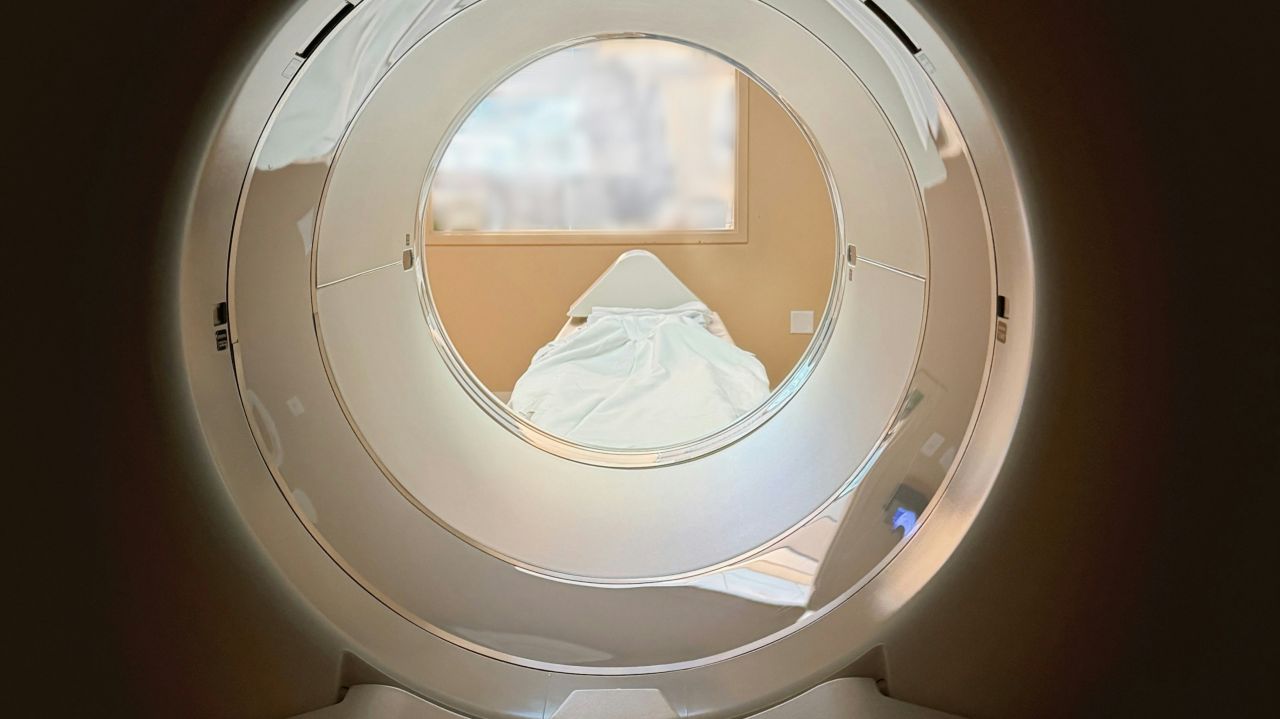
Equipment decisions are business decisions. The most common capital error we see is not buying the wrong machine — it is buying the right machine two years early. An MRI, PET/CT or LINAC installed before the referral base exists converts a growth asset into a fixed cost with a maintenance contract attached. Phasing equipment against evidenced demand, with the space and services designed in for later, usually costs less over the first five years than installing everything at opening.
Ramp-up is the plan, not the afterthought. Most facilities are financed on steady-state economics and then run out of cash in the first eighteen months, when utilisation is climbing, reimbursement is paying late and staffing costs are already at full run rate. That period should be modelled month by month and funded deliberately, not absorbed as a surprise.
Licensing is a path, not a form. Accreditation, clinical licensing, radiation safety, environmental and import approvals each have their own sequence and their own prerequisites in the design. Discovering one of them after construction is the correction that costs the most and shows up on the critical path, not the budget line.
Someone has to hold the whole picture. Architects optimise the building, contractors optimise the schedule, vendors optimise their scope. All three can succeed while the facility fails commercially. The owner needs one party whose only interest is whether the finished asset earns — which is the role we take.